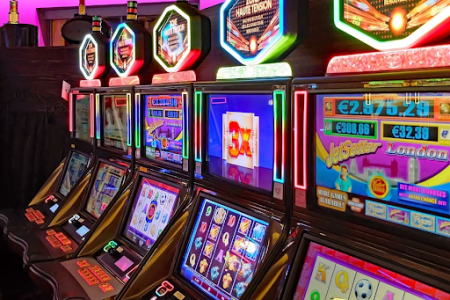




Modern casino games are designed to be visually appealing and easy to understand. Bright graphics, animated symbols, sound effects, bonus rounds, and interactive features can transform a simple mathematical game into an immersive digital experience.
Understanding the design principles behind these best online casinos games provides insight into why modern casino entertainment looks so different from traditional machines.
The Evolution of Casino Design
Early slot machines were mechanically simple.
Players pulled a lever, reels spun, and physical symbols determined the result.
Modern digital games can include elaborate themes, cinematic animations, multiple bonus stages, and interactive interfaces.
Technology has dramatically expanded what developers can create.
The Role of Graphics
Graphics establish the game’s identity.
A slot might use an ancient civilization, fantasy adventure, sports theme, or futuristic setting.
Consistent visual elements help create an identifiable atmosphere.
Animation and Motion
Movement draws attention to important events.
Winning symbols may expand, glow, or animate.
Bonus features can use dramatic transitions to make them feel distinct from normal gameplay.
These effects are primarily designed to communicate events and enhance presentation.
Sound Effects
Sound is another major component.
Music can establish mood, while short effects can signal wins, bonuses, or major events.
Sound also provides feedback, allowing players to understand what has happened without constantly reading the screen.
Winning Celebrations
When a game produces a winning combination, visual and audio effects may emphasize the result.
Larger wins often receive more elaborate presentations.
This helps distinguish ordinary outcomes from significant events.
Bonus Features
Bonus rounds are among the most popular elements in modern casino games.
Examples include:
- Free spins
- Pick-and-win games
- Multipliers
- Expanding reels
- Cascading symbols
- Hold-and-win mechanics
These features provide variety within the same game.
Progress Indicators
Some games include progress bars or collection systems.
A player may gather symbols, unlock stages, or move toward a feature.
These mechanics introduce a sense of progression into an otherwise repetitive format.
Gamification
Gamification refers to the use of game-like features outside traditional game structures.
Casino platforms can incorporate levels, achievements, missions, loyalty points, and challenges.
These systems can encourage continued interaction.
Mobile-Friendly Design
Modern casino games must also work across different devices.
Touch controls, readable text, responsive layouts, and optimized graphics are especially important on smartphones.
Developers must balance visual quality with performance.
User Interface Design
A good interface makes important information easy to locate.
Players should be able to see:
- Current balance
- Bet amount
- Spin controls
- Paytable
- Bonus information
- Game settings
Clear design reduces confusion.
The Importance of the Paytable
The paytable explains the game’s mathematical and functional rules.
It may show symbol values, bonus conditions, special mechanics, and other details.
A well-designed paytable makes the game easier to understand.
Near-Miss Presentation
Some games use visual sequences in which symbols appear close to forming a significant combination.
These moments can create suspense.
However, a near miss does not necessarily mean the player was statistically closer to winning in any meaningful sense. The underlying outcome is determined by the game’s mathematical system.
Random Outcomes Behind the Design
Regardless of how sophisticated the presentation looks, legitimate RNG-based casino games rely on mathematical systems to determine outcomes.
Graphics and sound do not change the fundamental probabilities.
Responsible Design
Modern casino design also raises questions about responsible gambling.
Features such as spending reminders, session timers, deposit limits, and self-exclusion tools can provide counterbalances to highly engaging interfaces.
Finding the Balance
The best game design combines entertainment with clarity.
Players should be able to understand what they are betting, how much they are wagering, and what different features mean.
Engaging design should not replace transparency.
Conclusion
Modern casino games are carefully designed experiences combining mathematics, graphics, sound, animation, and interactive features.
These elements can make games more immersive and entertaining, but players should remember that presentation does not change the underlying odds.
Understanding both the design and mathematics allows players to appreciate the technology without confusing visual excitement with improved chances of winning.