


Fire safety is an essential consideration in residential, commercial, and industrial buildings. Doors play an important role in preventing fire and smoke from spreading between different areas, giving occupants more time to evacuate and helping protect property. However, not every building or doorway requires the same level of fire protection. Depending on the building’s layout, construction, and safety requirements, a higher-rated fire door may be necessary. This raises an important question: do you really need a 90-minute fire rated door?
Understanding how fire ratings work, where these doors are typically installed, and what factors influence their selection can help you make a more informed decision. Choosing the appropriate fire door is not just about meeting safety expectations; it is also about creating a reliable fire protection system.
What Is a 90-Minute Fire Rated Door?
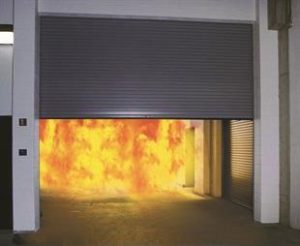
A 90-minute fire rated door is a specially constructed door assembly designed and tested to withstand fire exposure for approximately 90 minutes under specified testing conditions. It helps restrict flames and heat from passing through an opening, slowing the spread of fire between rooms or building sections.
These doors are generally manufactured using fire-resistant materials, such as specially designed timber cores, steel, mineral-based components, and approved fire-resistant glazing systems. Their construction is intended to maintain structural integrity and provide a protective barrier during a fire.
It is important to understand that a 90-minute rating does not mean a door will remain completely unaffected by fire for exactly 90 minutes in every real-world situation. Actual performance depends on the fire conditions, installation quality, surrounding construction, and the complete tested door assembly.
When Do You Need a 90-Minute Fire Rated Door?
Whether you need a 90-minute fire rated door depends on the building’s fire protection strategy and applicable building regulations. These doors are commonly considered in locations where stronger fire separation is necessary.
1. Commercial and Industrial Buildings
Commercial properties, factories, warehouses, and manufacturing facilities may contain equipment, electrical systems, stored materials, and other potential fire hazards. A higher-rated fire door can help separate areas and slow the movement of fire through the building.
For example, a doorway connecting a storage area with another important section of a facility may require a higher fire rating, depending on the building’s approved fire safety design.
2. Stairwells and Protected Escape Routes
Stairwells are important evacuation routes, particularly in multistory buildings. Fire doors help protect these spaces from flames and smoke, allowing occupants to move toward safer areas.
Depending on the building’s height, layout, and applicable fire regulations, a 90-minute door may be required for certain protected openings. However, not every stairwell automatically needs a 90-minute rating.
3. Mechanical and Utility Rooms
Rooms containing electrical distribution equipment, boilers, generators, and other building services may require additional fire protection. A properly selected fire-rated door can help prevent a fire in one of these spaces from spreading into occupied areas.
The required rating should be determined by the building’s fire compartmentation plan and relevant regulations.
4. Buildings With Higher Fire Protection Requirements
Hospitals, educational institutions, hotels, apartment buildings, and other large facilities often have detailed fire compartmentation requirements. Some openings may need greater fire resistance because of their location and the risks associated with the surrounding areas.
A 90-minute fire door may be suitable where the approved fire safety design specifies this level of protection.
Do You Always Need a 90-Minute Fire Door?
No. A 90-minute fire rating is not necessary for every doorway. Different buildings and openings require different levels of fire protection.
Some locations may only require a 20-minute, 30-minute, 45-minute, or 60-minute fire-rated assembly, while other openings may require 90 minutes or more. The correct rating depends on several factors, including:
- Building occupancy and intended use.
- The location of the doorway.
- Fire compartmentation requirements.
- Building height and overall design.
- Applicable fire and building regulations.
- The level of protection required for nearby escape routes.
Installing a higher-rated door than necessary may increase project costs without providing a meaningful advantage if the building’s fire safety design does not call for it. On the other hand, installing a lower-rated door where a higher rating is required can create a serious safety and compliance issue.
What Makes a 90-Minute Fire Rated Door Effective?
A fire-rated door is only as dependable as its construction and the components used in the complete assembly. Several features contribute to its ability to resist fire exposure.
Fire-Resistant Door Core
The internal core is an important part of the door’s fire-resistant construction. Depending on the product, it may contain engineered timber, mineral-based materials, or other tested fire-resistant components.
The core must be part of a tested and approved door design rather than simply being made from a material described as fire resistant.
Approved Frames
The frame must be compatible with the door’s fire rating and tested configuration. A suitable frame helps maintain the integrity of the opening and provides the correct support for the door during fire exposure.
Fire-Rated Seals
Intumescent seals expand when exposed to high temperatures, helping close gaps around the door and reduce the passage of flames and hot gases. Smoke seals may also be required where the fire safety design calls for smoke control.
Certified Hinges and Hardware
Hinges, locks, latches, closers, and other hardware must be suitable for the particular fire door assembly. Using ordinary hardware or incompatible replacement components can compromise the door’s tested performance.
Proper Installation
Even a high-quality fire-rated door can fail to provide its intended protection if it is incorrectly installed. The frame, gaps, seals, fixings, and hardware must follow the manufacturer’s approved installation instructions.
90-Minute Fire Rated Doors vs. Lower-Rated Options
Choosing between different fire ratings requires an understanding of how each option fits into the building’s safety requirements.
A lower-rated fire door may be suitable for certain internal openings where a shorter period of fire resistance is required. A 60-minute door may provide an appropriate level of protection for some fire compartments, while a 90-minute assembly may be specified for openings requiring greater fire separation.
The main difference is the tested fire resistance period, but the selection should never be based on the number alone. The entire assembly, including the frame, seals, hardware, glazing where applicable, and installation method, must meet the required specification.
For this reason, 90 minute fire rated doors should be selected according to the building’s fire safety requirements rather than simply choosing the highest available rating.
What Should You Consider Before Buying a 90-Minute Fire Door?
Before purchasing a fire-rated door, consider more than its appearance and advertised fire resistance.
First, check whether the product has appropriate certification and test evidence from a recognized testing or certification body. Confirm that the certification covers the exact door construction, frame, hardware, and configuration being supplied.
Next, consider the opening’s dimensions and the surrounding wall construction. The door assembly must be suitable for the supporting wall and installed according to its approved specifications.
You should also consider the door’s intended use. High-traffic commercial openings may require durable finishes, reliable closing mechanisms, and hardware designed for frequent operation.
Finally, review maintenance requirements. Fire doors need regular inspections to identify damaged seals, loose hinges, defective closers, unsuitable modifications, and other problems that could affect their performance.
Common Mistakes to Avoid
One common mistake is assuming that a higher fire rating automatically makes a door suitable for every application. A 90-minute door is not necessarily the correct choice if the surrounding wall, frame, or installation does not meet the required fire protection specification.
Another mistake is overlooking the importance of certified hardware. Replacing approved hinges, locks, or closers with ordinary alternatives can compromise the complete assembly.
Some property owners also make unauthorized changes, such as cutting the door, drilling additional holes, or installing unapproved glazing. These modifications can affect the fire rating and should never be carried out without confirming that they are permitted by the door’s certification and manufacturer.
Poor maintenance is another concern. Damaged seals, doors that do not close properly, and missing hardware can reduce the effectiveness of fire protection.
How to Maintain a 90-Minute Fire Rated Door
Regular maintenance helps ensure that a fire-rated door remains in suitable working condition. Inspect the door and frame for visible damage, cracks, warping, or signs of deterioration.
Check that the hinges are secure and that the door closes fully into its frame without obstruction. Make sure the latch engages correctly and that the closer operates as intended.
Inspect the intumescent and smoke seals for missing sections, damage, or deterioration. Any defective components should be replaced with approved products that match the original door specification.
Avoid wedging the door open or obstructing its closing mechanism. If the door is designed to remain closed for fire protection, it should not be left open unless an approved automatic release system is installed and functioning correctly.
Professional inspections should also be arranged according to applicable regulations, building requirements, and manufacturer recommendations.
Final Thoughts: Is a 90-Minute Fire Rated Door Worth It?
A 90-minute fire rated door can be an important part of a building’s fire protection system, particularly where additional fire separation is necessary. It helps slow the spread of fire and provides valuable protection when incorporated into a properly designed and maintained fire safety strategy.
However, not every building or doorway requires this level of protection. The right choice depends on the building’s design, occupancy, fire compartmentation strategy, and applicable regulations.
Before purchasing, consult a qualified fire safety professional or building control authority to determine the required rating. Most importantly, ensure that the complete door assembly is appropriately tested, certified, installed, and maintained. Making the right decision can improve building safety while helping you avoid unnecessary expenses and compliance problems.
