



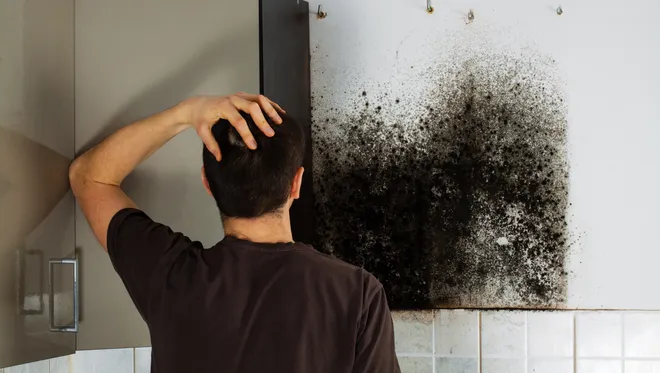
Mold growth inside a home can be frustrating, especially when it appears in bathrooms, basements, kitchens, or other areas exposed to moisture. When homeowners discover dark spots on walls, ceilings, or other surfaces, their first reaction is often to clean the affected area themselves. While DIY mold cleanup may seem like a quick and affordable solution, improper cleaning methods can sometimes make the problem worse.
In Bowie, MD, homeowners should understand that mold problems are not always limited to what is visible on the surface. Mold can grow behind drywall, beneath flooring, inside cabinets, and around plumbing systems. Cleaning only the visible growth without addressing the underlying moisture problem may allow mold to return or spread to other areas.
Understanding the risks of DIY mold cleanup can help homeowners make better decisions and protect their properties from further damage.
Why Do Homeowners Attempt DIY Mold Cleanup?
Many homeowners choose to handle mold problems themselves because they believe the affected area is small or manageable. Household cleaning products, brushes, sponges, and protective gloves may seem sufficient for removing visible mold.
DIY cleaning can sometimes be appropriate for small areas of mold on nonporous surfaces, provided the moisture source is corrected and proper precautions are followed. However, larger or hidden mold problems require a more careful approach.
Homeowners may underestimate the amount of contamination present, particularly when mold develops after a plumbing leak, roof problem, flooding incident, or prolonged humidity. What looks like a minor stain could indicate a much larger moisture issue.
How DIY Mold Cleanup Can Spread Mold Spores
One of the biggest risks of improper mold removal is spreading mold spores throughout the home. Mold releases microscopic spores that can become airborne when disturbed.
Scrubbing dry mold, scraping contaminated materials, or using ordinary household fans can release these particles into the surrounding environment. Air movement may carry spores into nearby rooms, furniture, carpets, and ventilation areas.
Once spores settle on suitable surfaces with sufficient moisture, they may begin growing again. This means an attempt to clean one affected area could potentially create additional contamination if the work is not handled carefully.
Using Bleach May Not Solve the Entire Problem
Bleach is one of the most common products homeowners reach for when trying to remove mold. Although it may remove discoloration from certain nonporous surfaces, it does not reliably eliminate mold growing within porous materials.
Materials such as drywall, insulation, carpeting, and untreated wood can absorb moisture and support mold growth beneath their surfaces. Applying bleach to the visible area may leave hidden contamination untouched.
Additionally, bleach can damage certain materials and should never be mixed with ammonia, vinegar, or other cleaning products because dangerous chemical reactions can occur.
Homeowners should understand that removing visible stains does not necessarily mean the mold problem has been resolved.
Hidden Moisture Can Cause Mold to Return
Mold requires moisture to grow. If homeowners clean an affected surface without identifying and correcting the source of water, mold may return.
Common moisture sources in Bowie homes include:
-
Leaking plumbing connections beneath sinks.
-
Roof leaks and damaged flashing.
-
Poor bathroom ventilation.
-
Condensation around windows.
-
Basement water intrusion.
-
Leaking appliances and washing machines.
-
High indoor humidity.
For example, cleaning mold from a bathroom wall will not provide a lasting solution if a hidden plumbing leak continues to keep the wall damp.
Identifying the source of moisture is just as important as removing the visible mold. Without this step, cleanup efforts may only provide temporary results.
DIY Cleanup Can Damage Walls, Floors, and Furniture
Aggressive cleaning methods can damage household materials. Scrubbing too hard, applying unsuitable chemicals, or soaking affected surfaces with excessive water may create additional problems.
Drywall can become weak when exposed to moisture, while wood surfaces may warp or deteriorate. Carpets and upholstery can also retain moisture, making complete cleaning difficult.
In some situations, homeowners attempt to save heavily contaminated materials instead of removing them when necessary. This can allow mold to remain inside the home.
Before attempting cleanup, homeowners should consider the type of material affected and whether it can be safely cleaned or needs professional removal.
Personal Exposure Is Another Important Concern
Disturbing mold without appropriate protection can increase exposure to airborne spores and other particles. Some people experience symptoms such as sneezing, coughing, nasal irritation, itchy eyes, or skin irritation when exposed to mold.
Individuals with asthma, allergies, chronic respiratory conditions, or weakened immune systems may face greater health concerns.
Basic protective equipment, such as gloves, eye protection, and a properly fitted respirator, may reduce exposure during certain small cleanup tasks. However, protective equipment does not make every mold removal project suitable for DIY work.
Homeowners should avoid disturbing extensive mold growth and keep children, pets, and vulnerable individuals away from affected areas.
Why Ventilation and Containment Matter During Cleanup
Another common mistake is cleaning mold without controlling the affected area. Opening doors, running fans, or using household vacuum cleaners may spread contaminated dust and spores into other parts of the property.
Professional mold cleanup typically involves controlling the work area, using suitable protective equipment, and applying appropriate air filtration and removal methods.
Containment helps limit the movement of airborne particles during the cleanup process. Without suitable precautions, mold disturbed in one room may affect surrounding areas.
Homeowners should avoid using ordinary fans to dry an area containing disturbed mold. Instead, moisture should be addressed using appropriate drying equipment and methods that do not spread contamination.
When Should Bowie Homeowners Avoid DIY Mold Removal?
Not every mold problem requires professional intervention, but certain situations deserve additional attention. Homeowners should avoid attempting extensive DIY cleanup when:
-
Mold covers a large surface area.
-
Mold repeatedly returns after cleaning.
-
There is a strong musty odor without an obvious source.
-
Mold appears inside walls, ceilings, or flooring.
-
The property has experienced flooding or significant water damage.
-
Heating, ventilation, or air-conditioning systems may be contaminated.
-
Sewage or contaminated water is involved.
-
Household members have significant respiratory sensitivities or weakened immune systems.
These situations may require professional inspection to determine the extent of contamination and identify the correct removal approach.
How Professional Mold Remediation Helps Prevent Further Problems
Professional remediation focuses on more than removing visible mold. The process generally involves identifying affected materials, assessing moisture conditions, establishing appropriate containment, removing contaminated materials when necessary, and cleaning remaining surfaces.
A qualified remediation team can also use specialized equipment to help control airborne particles and dry affected areas.
For homeowners researching mold remediation bowie md, choosing an experienced service provider can help address contamination more thoroughly while reducing the risk of spreading mold during cleanup.
Professional services may also help identify recurring moisture problems that homeowners could overlook. Addressing these conditions is essential for reducing the likelihood of future mold growth.
Steps to Take Before Mold Becomes a Bigger Problem
Taking prompt action can help prevent a manageable moisture issue from becoming a more extensive property problem.
Homeowners should consider the following steps:
-
Identify the moisture source: Check for plumbing leaks, roof damage, condensation, and water intrusion.
-
Avoid disturbing visible mold: Do not scrape, sand, or aggressively brush affected materials.
-
Keep the affected area undisturbed: Limit unnecessary access, especially for children and pets.
-
Control indoor humidity: Use appropriate dehumidification and ventilation where safe.
-
Address water damage promptly: Dry affected materials and correct leaks as soon as possible.
-
Seek professional advice when necessary: Arrange an assessment if the growth is extensive, hidden, recurring, or associated with significant water damage.
These actions can help homeowners avoid common mistakes and make informed decisions about the next steps.
Final Thoughts
DIY mold cleanup may appear simple, but incorrect methods can spread mold spores, damage building materials, increase personal exposure, and leave hidden contamination untreated. The biggest mistake is focusing only on visible mold while ignoring the moisture conditions responsible for its growth.
For Bowie, MD homeowners, understanding when a mold problem is beyond the scope of household cleaning is essential. Small surface issues may sometimes be manageable with appropriate precautions, but extensive, recurring, or hidden mold growth deserves professional attention.
By identifying moisture sources, avoiding unsafe cleaning practices, and choosing appropriate remediation methods, homeowners can protect their properties and reduce the chances of mold becoming a recurring problem.