




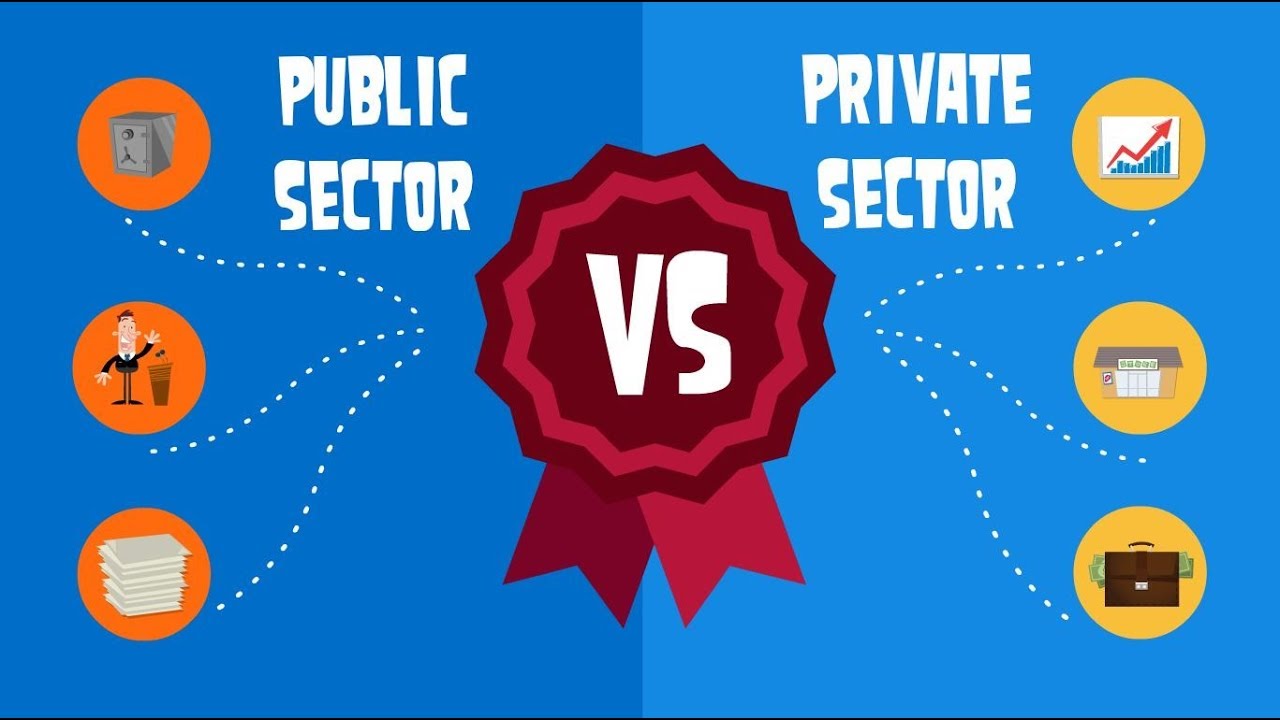
Public safety leadership builds habits that do not switch off when someone leaves the job. The environment is high-pressure, resource-constrained, and constantly changing. Decisions carry consequences. Teams rely on clear direction. Systems must work under stress.
Those conditions produce leaders who think differently. That mindset carries into the private sector in ways many businesses underestimate.
The shift from public safety to private industry is becoming more common. A growing number of former law enforcement and emergency management leaders now work in security, risk consulting, operations, and executive leadership roles. The private security market alone continues to expand, with global spending expected to exceed $400 billion within the next few years. Companies need leaders who can manage risk, build systems, and operate under pressure.
Public safety leaders already know how to do that.
Decision-making under pressure
In public safety roles, hesitation has consequences. Leaders make decisions with limited information and tight timelines. That skill translates directly into business environments where speed matters.
A former commander once described managing a late-night incident involving multiple agencies. Information was incomplete. Resources were limited. The situation required immediate action.
“You don’t get a full briefing,” he said. “You get pieces of information. You make a call. Then you adjust as new details come in.”
That approach mirrors high-stakes business decisions. Product launches, operational failures, and crisis events all require leaders to act before every detail is known.
Public safety leaders bring comfort with uncertainty. They do not wait for perfect information.
Structured thinking and systems
Public safety organisations rely on structured systems. Incident command frameworks, reporting procedures, and operational plans guide how teams respond.
Those systems reduce confusion.
In the private sector, many organisations lack that level of structure. Processes exist, but they are not always followed consistently.
Leaders with public safety experience tend to fix that quickly.
They build:
- clear chains of command
• defined response procedures
• consistent reporting systems
One executive described joining a company where incident reporting varied by department. Some teams documented issues. Others handled problems informally.
He introduced a standard reporting system across the organisation.
Within months, leadership gained a clear view of recurring problems. Decisions improved because information improved.
Structure creates visibility. Visibility supports better decisions.
Accountability as a daily practice
Accountability in public safety is constant. Actions are documented. Decisions are reviewed. Performance is measured.
That environment shapes behaviour.
Leaders carry that expectation into the private sector.
A security consultant once described reviewing internal operations for a corporate client. Employees handled issues differently depending on who was on shift. Some problems were documented. Others were not.
“We asked one simple question,” he said. “If something goes wrong, can you show exactly what happened and why?”
The answer was often no.
After implementing consistent documentation standards, accountability improved across teams.
Public safety leaders understand that documentation protects both the organisation and its people.
Training that reflects real conditions
Training in public safety focuses on realism. Officers and responders prepare for situations they will face in the field. Scenario-based exercises test decision-making, communication, and coordination.
That approach often differs from corporate training, which can rely on theory rather than application.
Leaders who transition into business environments bring a different perspective.
They ask:
- Does training reflect real situations?
• Can employees apply what they learn immediately?
• Are outcomes measured?
One leader introduced scenario-based exercises into a corporate security team. Employees practiced responding to workplace incidents instead of reviewing policies in a classroom.
During the first session, a team member froze when asked to handle a simulated conflict.
“He knew the policy,” the leader said. “He just hadn’t practised applying it.”
After repeated exercises, response times improved and confidence increased.
Practice builds performance.
Communication that reduces confusion
Public safety leaders communicate clearly because confusion creates risk.
Instructions must be simple, direct, and actionable.
That communication style translates well into business environments where unclear direction slows progress.
A former operations leader described joining a company where project updates varied widely. Some reports included detailed data. Others provided vague summaries.
He introduced a standard format for updates.
Each report answered three questions:
- What happened?
• What does it mean?
• What action is required?
The change improved decision speed.
Clear communication reduces friction.
Risk awareness as a core skill
Public safety leaders assess risk constantly. Every decision considers potential outcomes.
That mindset fits naturally into roles involving operations, compliance, and security.
Companies often react to problems after they occur. Public safety leaders focus on prevention.
They ask:
- Where are the vulnerabilities?
• What patterns indicate emerging issues?
• What actions reduce exposure?
Wade Lyons once described reviewing a situation where a company experienced repeated minor security incidents.
“Each one looked small,” he said. “When we mapped them together, they showed a pattern. The issue wasn’t the incidents. It was the system allowing them to happen.”
Identifying patterns early prevents larger problems later.
Resource management under constraints
Public safety organisations rarely have unlimited resources. Leaders learn to prioritise, allocate, and adapt.
That experience translates well into business environments where budgets and staffing require careful management.
Leaders focus on:
- deploying resources where they have the most impact
• eliminating unnecessary tasks
• improving efficiency through process changes
One leader described reducing overtime costs by analysing workload patterns instead of adding staff.
The solution involved adjusting schedules and redistributing responsibilities.
Results improved without increasing spending.
Efficiency comes from understanding how work flows through a system.
Team leadership in high-stress environments
Public safety teams operate under stress. Leaders must maintain performance while supporting team members.
That balance carries into the private sector.
Employees in corporate roles may not face the same level of risk, but pressure still exists. Deadlines, performance targets, and organisational change create stress.
Leaders with public safety backgrounds recognise early signs of burnout and performance decline.
They address issues before they escalate.
They also understand the importance of trust.
Teams perform better when they believe leadership will support them during difficult situations.
The transition challenge
The move from public safety to the private sector is not automatic. Differences exist.
Public safety roles often involve clear authority structures. Corporate environments may operate with more ambiguity.
Leaders must adapt their approach.
They need to:
- understand business priorities
• align with organisational goals
• communicate in ways that resonate with different stakeholders
The core skills remain valuable. The application changes.
The advantage for businesses
Companies benefit from hiring leaders with public safety experience.
These leaders bring:
- disciplined decision-making
• structured systems
• strong accountability
• practical training methods
• clear communication
They also bring a focus on prevention rather than reaction.
That shift improves performance across operations.
The bottom line
Public safety leadership develops skills that translate directly into the private sector. The environments differ, but the fundamentals remain the same.
Clear decisions, strong systems, and disciplined execution drive results.
Leaders who have operated under pressure bring those habits with them.
Businesses that recognise that value gain a practical advantage.
They do not just hire experience.
They gain a mindset built on performance, accountability, and action.